Structural Framework
Ang calcium ay bumubuo ng crystalline matrix na nagbibigay ng mechanical strength sa bones. Ito ang foundation na sumusuporta sa lahat ng joints sa katawan.


Ang calcium ay isa sa most abundant minerals sa human body. Mahigit 99% ng calcium ay nakastore sa mga buto at ngipin, kung saan ito ay essential component ng structural framework.
Sa pamamagitan ng complex biochemical process, ang calcium ay nag-combine sa phosphorus upang lumikha ng hydroxyapatite - ang crystalline structure na nagbibigay ng hardness at resilience sa skeletal system. Ang prosesong ito ay critical para sa joint stability at function.
Key statistics na nagpapakita ng importance ng calcium sa health
Sa mga buto at ngipin
mg daily need
Peak bone density
Kasukasuan sa body
Ang calcium ay may multifaceted role sa pagmaintain ng healthy joints
Ang calcium ay bumubuo ng crystalline matrix na nagbibigay ng mechanical strength sa bones. Ito ang foundation na sumusuporta sa lahat ng joints sa katawan.
Ang continuous process ng bone formation at resorption ay dependent sa calcium availability, ensuring na ang skeletal system ay nananatiling adaptive.
Ang calcium ions ay crucial sa muscle contraction at relaxation, na directly affecting joint movement at stability sa physical activities.
Sufficient calcium levels ay tumutulong na mapanatili ang bone density, reducing risk ng fractures na maaaring ma-compromise ang joint function.
Ang calcium ay tumutulong sa maintenance ng proper mineral homeostasis, essential para sa long-term skeletal integrity at joint health.
Sa pag-edad, ang adequate calcium intake ay tumutulong na slow down ang natural na bone loss at preserve ang joint mobility.
Ang insufficient calcium intake ay may cascading effects sa skeletal health. Kapag ang dietary calcium ay inadequate, ang katawan ay mag-mobilize ng calcium mula sa bone reserves para maintain ang normal blood calcium levels.
Ang chronic deficiency ay nagreresulta sa progressive bone demineralization. Ito ay weakening ng structural integrity ng bones, na directly compromises ang stability at function ng joints na dependent sa strong bone framework.
Ang osteoporosis - characterized by porous at fragile bones - ay isa sa most serious consequences. Ang condition na ito ay significantly increases ang vulnerability sa fractures at joint-related complications.
Habang ang calcium deficiency ay problematic, ang excessive intake ay may sariling health implications. Ang hypercalcemia - elevated blood calcium levels - ay maaaring result mula sa over-supplementation o certain medical conditions.
Ang isa sa concerning manifestations ay ang deposition ng calcium crystals sa soft tissues, including joints. Ang calcium pyrophosphate deposition disease ay characterized by inflammatory episodes sa affected joints, causing pain, swelling, at limited mobility.
Ang condition na ito ay clinically similar sa gout at other forms ng arthritis. Ang acute attacks ay sudden onset at maaaring last from days to weeks, significantly impacting quality of life.
Kaya essential ang appropriate calcium intake - neither too little nor too much. Ang balanced approach, ideally guided by healthcare professionals, ay crucial para sa optimal skeletal at joint health.
Authentic stories mula sa individuals na nag-prioritize sa bone health
After ng comprehensive bone density screening, na-discover ko na at-risk ako para sa osteoporosis. Ang strategic calcium intake adjustment, combined with proper supplementation, ay resulted sa measurable improvement sa follow-up tests.
Ang understanding ng calcium's biochemical role sa joint health ay transformed ng aking approach sa nutrition. Hindi na ako nag-experience ng frequent discomfort at ang mobility ko ay significantly improved.
Matapos makaranas ng stress fracture due to inadequate bone density, nag-implement ako ng comprehensive calcium management plan. Ang results ay encouraging - stronger bones at mas confident ako sa physical activities.
At my age, maintaining skeletal integrity ay paramount. Through consistent calcium-rich diet at regular weight-bearing exercise, na-preserve ko ang bone health ko at ang joints ko ay functioning optimally.
Ang education tungkol sa calcium's interaction with other nutrients ay eye-opening. Ngayon na nag-integrate ako ng Vitamin D at magnesium sa regimen ko, ang overall bone health ko ay noticeably better.
Email:
hello (at) xakaravi.com
Telepono:
+63 918 564 3827
Address:
15th Floor, Net Lima Building, 5th Avenue corner 26th Street, Bonifacio Global City, Taguig 1630, Philippines
Detailed answers sa most common questions tungkol sa calcium at joints
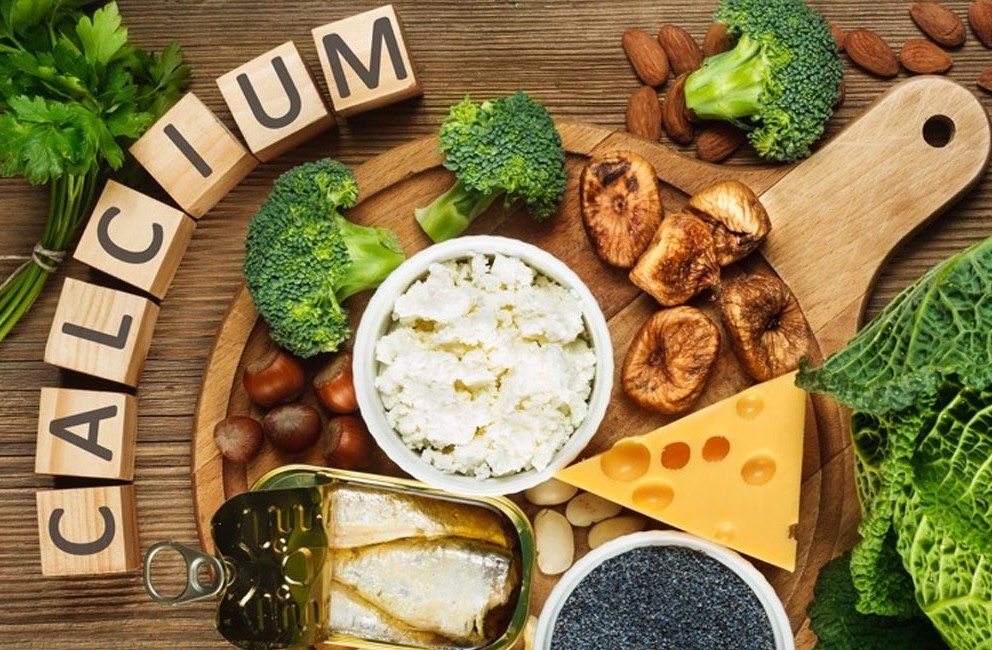
Ang best sources ay dairy products (milk, cheese, yogurt), dark leafy greens (kale, broccoli, bok choy), fortified plant milks, tofu processed with calcium, sardines at salmon with bones, almonds, at sesame seeds. Ang diverse diet ay ensuring adequate intake.
Ang calcium ay primarily affects joints through bone health. Strong, dense bones provide stable framework para sa joints. Additionally, calcium ay involved sa muscle contraction at nerve signaling na crucial para sa coordinated joint movement at stability.
Ang Vitamin D ay greatly enhances absorption. Magnesium at adequate protein ay also helpful. Inhibitors include excessive caffeine, high sodium intake, certain medications, at phytic acid from some grains. Ang timing at combination ng foods ay important considerations.
Supplementation ay considered kapag dietary intake ay insufficient, particularly for postmenopausal women, older adults, individuals with lactose intolerance, o those with certain medical conditions. However, dapat always consulted with healthcare provider para determine appropriate dosage.
As we age, calcium absorption efficiency decreases at bone remodeling shifts toward resorption. Kaya ang requirements ay typically increases - from 1000mg daily para sa younger adults to 1200mg para sa women over 50 at men over 70. Ang adequate intake ay crucial para sa age-related bone loss prevention.
Weight-bearing at resistance exercises ay stimulate bone formation at strengthen skeletal system. Ang combination ng adequate calcium intake at regular exercise ay synergistic - together they optimize bone density, improve joint stability, at enhance overall musculoskeletal health more effectively than either alone.